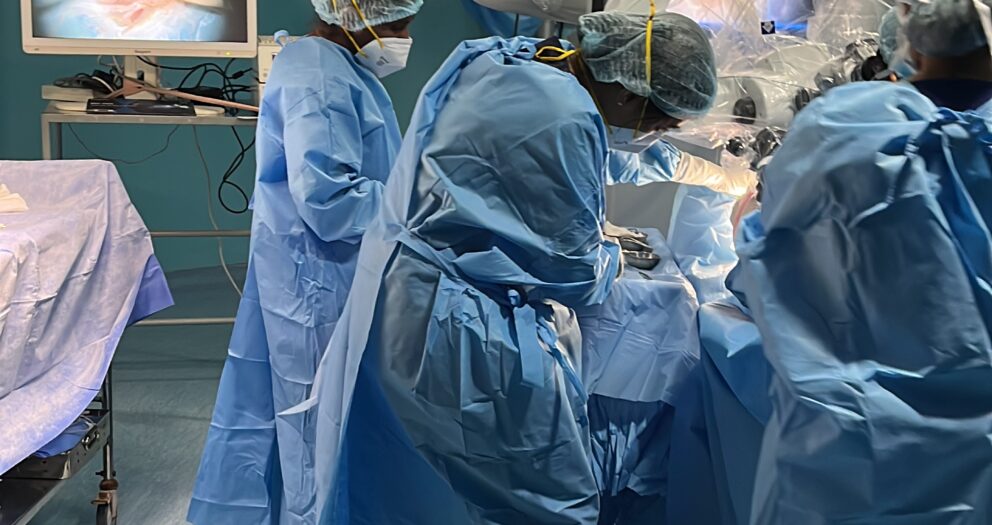
One of the next major advancements coming soon to the world of surgery is the widespread adoption of operating room video recording. Currently, some hospitals are using this technology to great effect, and some predict that it’s going to spread rapidly to many other organizations in the coming years.
This technology is an exciting opportunity for medical professionals and their patients, but in order to use medical video recording devices to their full effect, you need to be fully aware of their capabilities and applications. That’s where this post comes in. Here, we’ll take you through the most common uses for operating room videos, and then we’ll briefly discuss what to look for in the cameras and displays that make those processes possible.
We’ll finish up with a look to the (near and distant) future of operating room videos so that you can stay on top of all the advancements as they become reality. First, though, let’s look at why operating room videos are so helpful.
Uses for Operating Room Video Recordings
We’ve established that these videos are huge tools in the education field, but now, let’s break down the different functions of operating room video recordings and the different groups they teach.
Students
Including video in residents’ instruction is a vital part of many curricula. Studies have indicated that residents prefer videos to reading about surgery, feeling that it helps them better understand different parts of the procedure, including both cognitive and technical aspects. In one study, residents chose more often than not to watch the videos provided to them before they performed a surgery, and they generally reported positive experiences and outcomes. Thus, prioritizing medical video recording devices and making high-quality, instructional videos can have tremendous benefits for residents.
Not only can students learn from watching other, more experienced surgeons, but they can also learn by watching operating room video recordings of their own work. One study found it helpful to have residents go over recordings of procedures they performed with experienced surgeons. There was more learning going on when the teachers were referencing specific instances of the residents’ work in reviewing the video.
Students are the primary audience for operating room video recording, and improving their experiences is one of the top reasons for purchasing a top medical video recording device.
Conferences
Bringing cutting-edge techniques to the people most invested in them is one of the most forward-thinking ways to utilize medical video recording devices. Conference presentations are one method of disseminating operating room video recordings to the most interested parties.
In a way, all surgeons are life-long students, and this use case is not too different from the previous one. Using conferences to learn is a vital tool in continuing education, and with the established success of operating room video recordings with students, it’s an obvious extension of the technology.
Surgeons can use videos of their advancements as part of their presentations, and the other attendees can view those important accomplishments. It’s also important to be able to distribute those videos after the conference for further review.
Conferences or just general sharing among surgeons about new innovations can bring better patient outcomes, and operating room video recordings are key tools in that process. Learning how to best help patients is a continual goal, necessitating ongoing education. It can be difficult to fit opportunities for continuous education into the busy schedule of a surgeon, but brand-new operating room video recordings can help.
Quality Assurance
Having a video record of surgeries is a vital aspect of making sure errors are documented and accounted for. They offer a comprehensive review mechanism, allowing surgical teams to retrospectively analyze and assess the technical aspects of a procedure, identifying areas of excellence and potential improvement. Mistakes or deviations from best practices can be pinpointed and rectified, ensuring that the same errors aren’t repeated in future operations.
Additionally, the training elements of operating room video recordings we’ve already discussed play a large role in quality assurance, as well. By watching actual surgeries, budding surgeons and medical students can learn the practical aspects of their craft, observing expert maneuvers and understanding the decision-making processes in real-time scenarios. With better training comes better results and fewer mistakes.
Furthermore, in cases of unexpected complications or medico-legal disputes, video evidence can provide an unbiased account of events, aiding in transparency and resolution.
Ultimately, the integration of video recordings in operating rooms stands as a testament to the medical industry’s commitment to continuous improvement, patient safety, and transparency, ensuring that the highest standards of care are consistently upheld.
Patient Education
Many people would balk at the idea of watching a video of a surgery they underwent, but for others with stronger stomachs, it’s an invaluable opportunity for transparency. Being operated on is perhaps one of the most vulnerable states a person is ever expected to be in. Having the opportunity to show a patient their own operation, or videos of the same procedure, can empower them. They don’t have to wonder about what went on while they were anesthetized — they can know without a shadow of a doubt.
There are still a lot of unexplored opportunities when it comes to using surgical videos for patient education. When you go about doing this, it’s important to keep the patient’s experience top of mind. They likely won’t know exactly what to expect from a recording, being mostly unfamiliar with the way operating rooms work. There might be a lot of things in the video that disturb them if their expectations are not properly aligned before the viewing experience. Making sure patients have the right mindset going into viewing a video of their surgery is paramount to ensuring the right mindset and the desired outcomes are achieved.
Medical video recording devices are critical for education, both of the doctors performing the surgeries as well as the patients receiving them.
Ethical Considerations
Some organizations have privacy concerns when it comes to operating room video recordings. There are definitely patient concerns involved in widely distributing these recordings, as well as considerations for the staff members that might also be featured in the videos. These are valid.
As we briefly discussed in a previous section, there are significant patient education opportunities with medical video recording devices, but there are also the occasional significant patient objection. The intimate nature of surgical procedures means that video recordings could inadvertently capture identifiable patient data or sensitive body areas, potentially violating patient confidentiality and dignity. Even if faces and identifying marks are obscured, the mere act of recording can make some patients feel vulnerable or exploited. Informed consent becomes crucial; patients must be made fully aware of the reasons for recording, the security measures in place, and their rights regarding the footage.
Moreover, there’s the potential misuse of the recordings. Without stringent safeguards, there’s a risk that the videos could be accessed or shared inappropriately, leading to breaches of privacy.
Balancing the undeniable benefits of operating room recordings with these ethical considerations requires careful thought, policy-making, and stakeholder engagement.
Best Medical Video Recording Devices
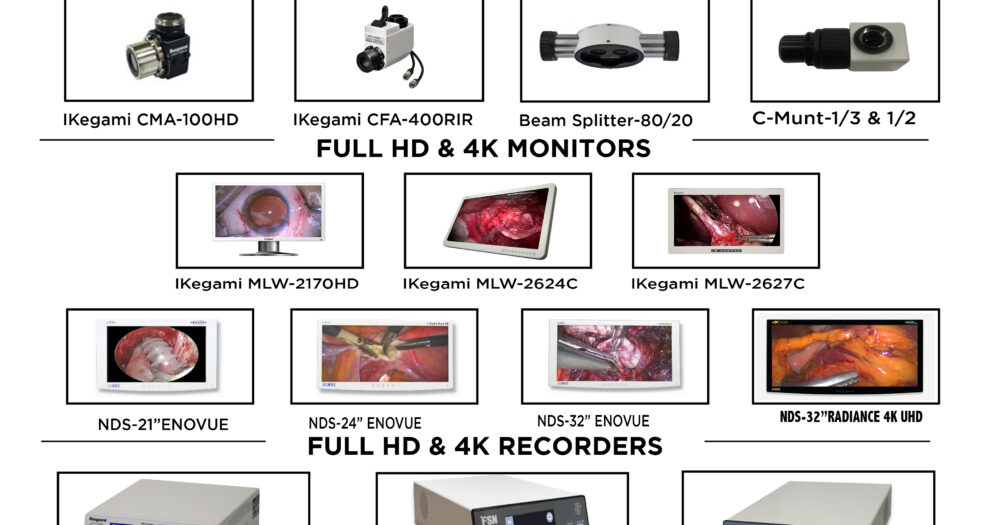
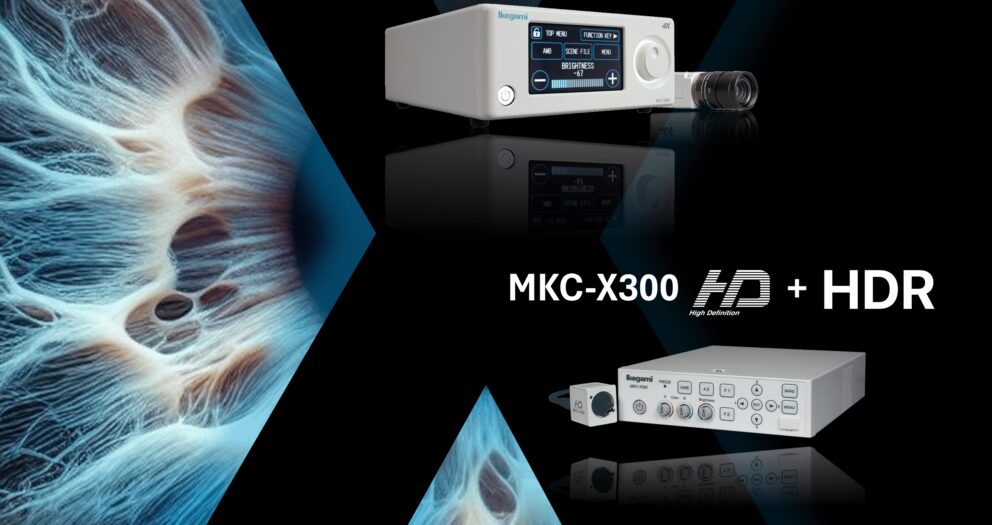
In order to receive all the benefits of operating room video recordings, your organization needs to use the best equipment. There are a lot of different medical video recording devices on the market. Read on for the criteria you should use to select a medical camera.
Hardware
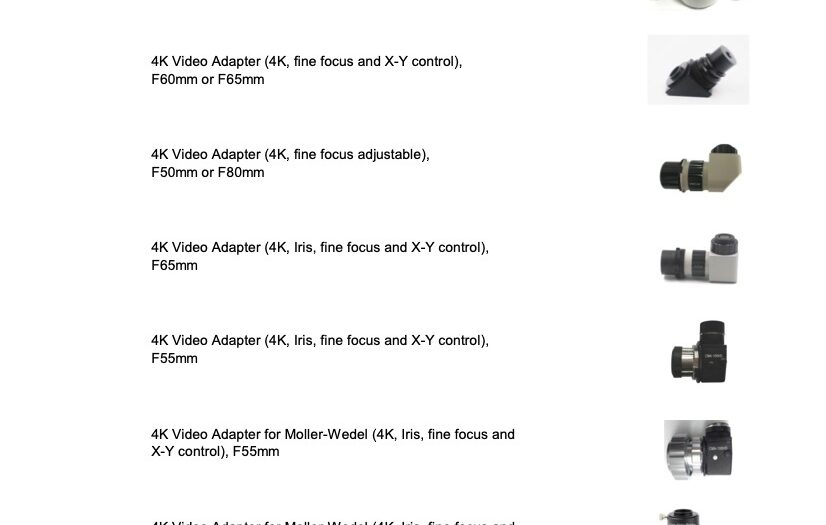
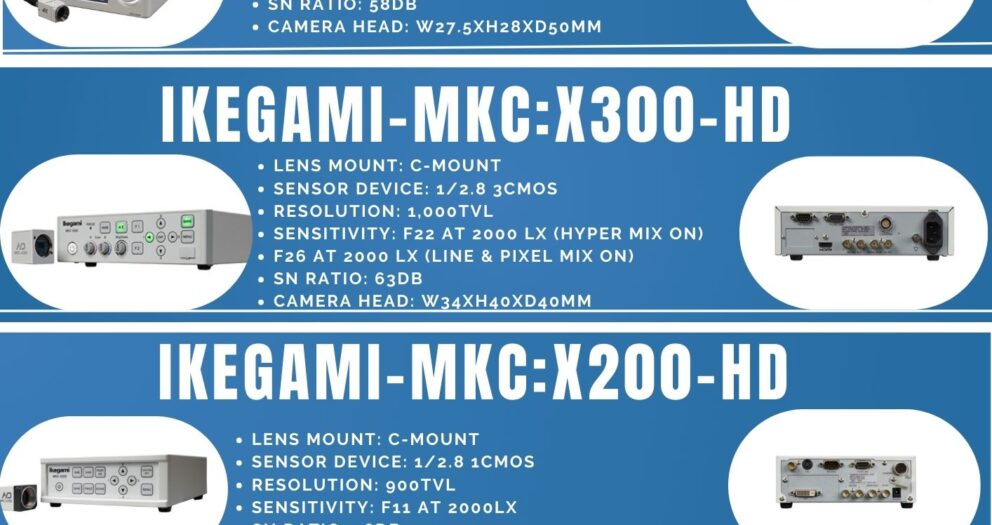
These are the physical components of the medical video recording device that are going to capture the highest quality images of the procedure. Elements like the imaging sensor, lens system, and the light source are absolutely critical to the performance of the camera.
For the imaging sensor, there are two different common types: Charge-Coupled Device (CCD) and Complementary Metal-Oxide-Semiconductor (CMOS). For most medical video recording devices, a CMOS sensor is preferred.
The exact hardware specifications for the rest of the camera will largely depend on what type of device you’re looking for and what you are trying to capture in the operating room. For example, a desktop- or ceiling-mounted operating room video recording device is going to have a lot of different qualities than one a surgeon wears on their head. The best choice for your operating room is going to depend on your goals for the medical video recording after you’ve captured it.
Make sure you’re finding a camera with the best hardware so that you’ll see the best results and get the most out of your videos.
Software
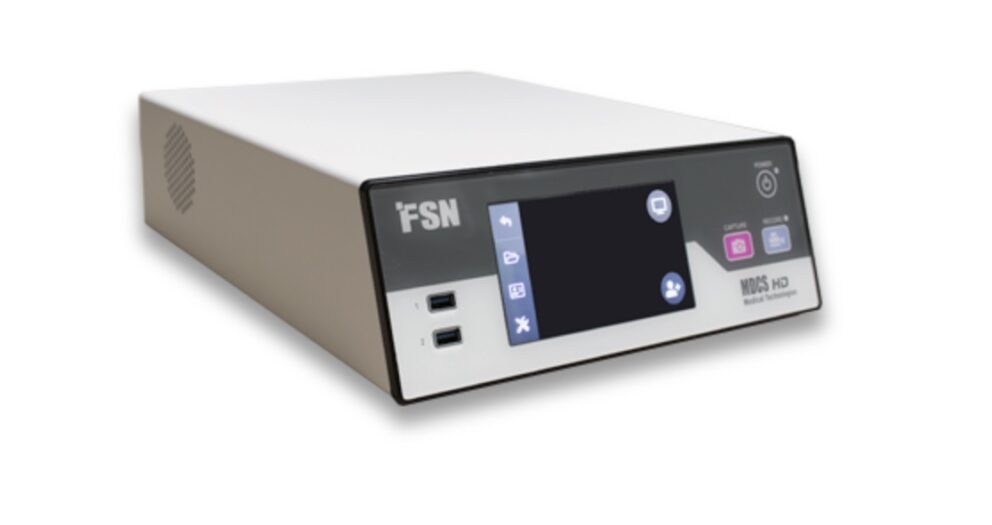
The physical specifications of the medical video recording device are important, but equally as vital are the software considerations. You should prioritize finding one with an intuitive user interface, lots of digital storage, and helpful diagnostic and troubleshooting software.
Another element you should pay special attention to is the imaging processing software. As the name suggests, this component takes the raw data from the imaging sensor and processes it, optimizing the image quality.
Connectivity software is also critical to the performance of your operating room video recording device. You should make sure that the camera you choose can fully integrate with the other systems and networks in your facility. Sharing the recordings is the whole point, and the first step of that is accomplished through connectivity software.
With software, you also need to stay current with updates and upgrades over time. This will ensure the quality and security of your device over the years you use it. Hopefully, you should be able to get a long life out of the best medical video recording devices, and part of optimizing that longevity is making sure the software stays up-to-date. It’s part of maximizing your investment.
Hardware and software go hand in hand. Don’t neglect one or the other.
Don’t forget about the viewing experience.
The camera isn’t the only piece of equipment you need to carefully consider. Also keep in mind that your organization will need to have the best medical monitors to display operating room video recordings on. Having an extremely high image quality is vital to fully understanding the intricacies of the procedure.
When you’re purchasing a medical display, you have to keep a lot of other factors in mind. They include:
- Resolution
- Pixel density
- Color accuracy
- Brightness
- Contrast
- Response time
- Refresh rate
You can read what we’ve already written about medical and surgical displays in this post. That will give you a better and more complete idea of what you should be looking for.
Of course, if you’re trying to distribute your medical video recording as widely as possible, it’s likely that people are going to be viewing it on their own devices. These displays are likely not optimized for viewing surgical procedures, but the important thing is that they have access to this critical information. As long as the medical video recording device was top-notch, they shouldn’t have issues.
Making the viewing experience as informative as possible, and control what you can to make that happen.
Keep looking forward to the future of operating room video recording devices.
There are plenty of other factors your organization should prioritize in the buying process for medical video recording devices. We’ve only outlined the basics here, and the specifics are always changing as the technology advances. More features like AI integration, more opportunities for robotic- and camera-assisted surgeries, and options for 3D imaging will become more prominent in the market over time.
We’ve covered the basics of what you need to prioritize when you’re implementing medical video recording in your operating room and why this process is so important. Videos are one of the most powerful tools at our fingertips for education in the surgical profession. As the technology advances and ethical questions are settled, surgical cameras will only become more vital to the industry.
The future of operating room video recording is bright and rapidly approaching, and in order to keep up with it, you need to purchase the highest-quality medical video recording devices. Our team here at Synergy can help. You can browse our inventory online, and if you have any questions, don’t hesitate to reach out. We would be happy to help you fight the right device for your operating room.